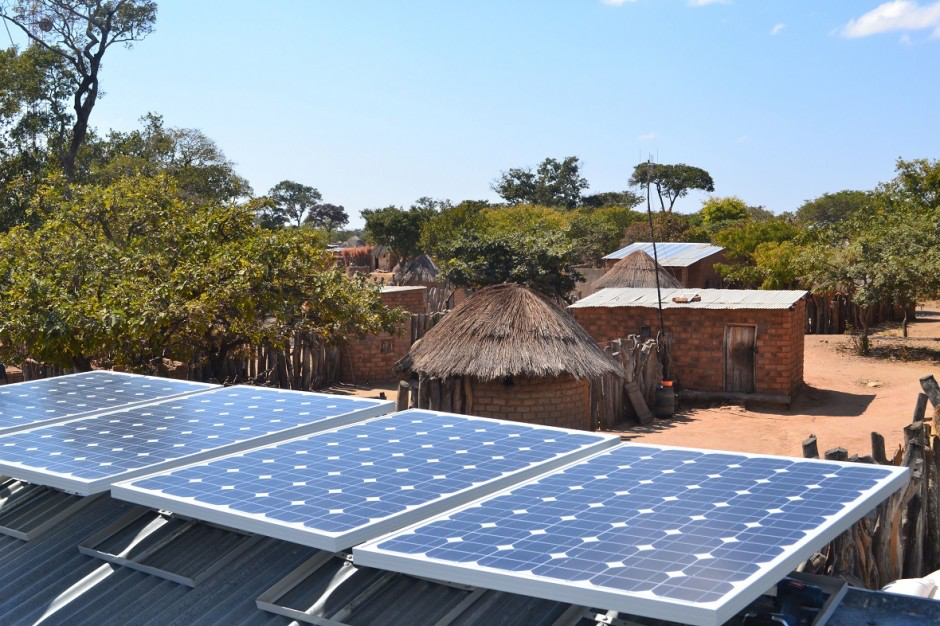
The ROGEAP was designed to tackle a massive problem: of the 406 million people living in West Africa and the Sahel, around 208 million have no access to electricity, 70 per cent of whom live in rural areas. Jointly led by the Commission for the ECOWAS, the Centre for Renewable Energy and Energy Efficiency of the ECOWAS (ECREEE) and the West African Development Bank (BOAD), with funding of US$333.7 million from the World Bank, the Clean Technology Fund (CTF) and Dutch development co-operation (DGIS), the project covers 19 countries: the 12 members of the ECOWAS plus Burkina Faso, Cameroon, Mali, Mauritania, Niger, the Central African Republic and Chad
energynews.africa: Integrating EVs and mini-grids to transform mobility in rural Nigeria
Approved in April 2019, the project took some time to get off the ground: its fieldwork did not begin until 2022, and its official regional launch did not take place until October 2023, in Praia (Cape Verde). It is due to end on 30 June 2026.
What has actually been done on the ground
Gradual implementation, country by country
Rather than a simultaneous roll-out, ‘ROGEAP’ was introduced in waves of national launches:
August 2022: the first official launches in The Gambia (Banjul) and Côte d’Ivoire (Abidjan), followed later that year by Benin, Nigeria, Togo and Senegal.
2023: expansion into new countries — Mali, Liberia, Mauritania, Burkina Faso, Guinea — followed by expansion into Central Africa with a nationwide launch in Cameroon in August 2023.
December 2023: national workshop in Cabo Verde.
2025: the last countries in the programme, such as Guinea-Bissau, received support from the Organisation for Economic Co-operation and Development (ECOWAS) to draw up their national energy policies.
The adoption of regional technical standards
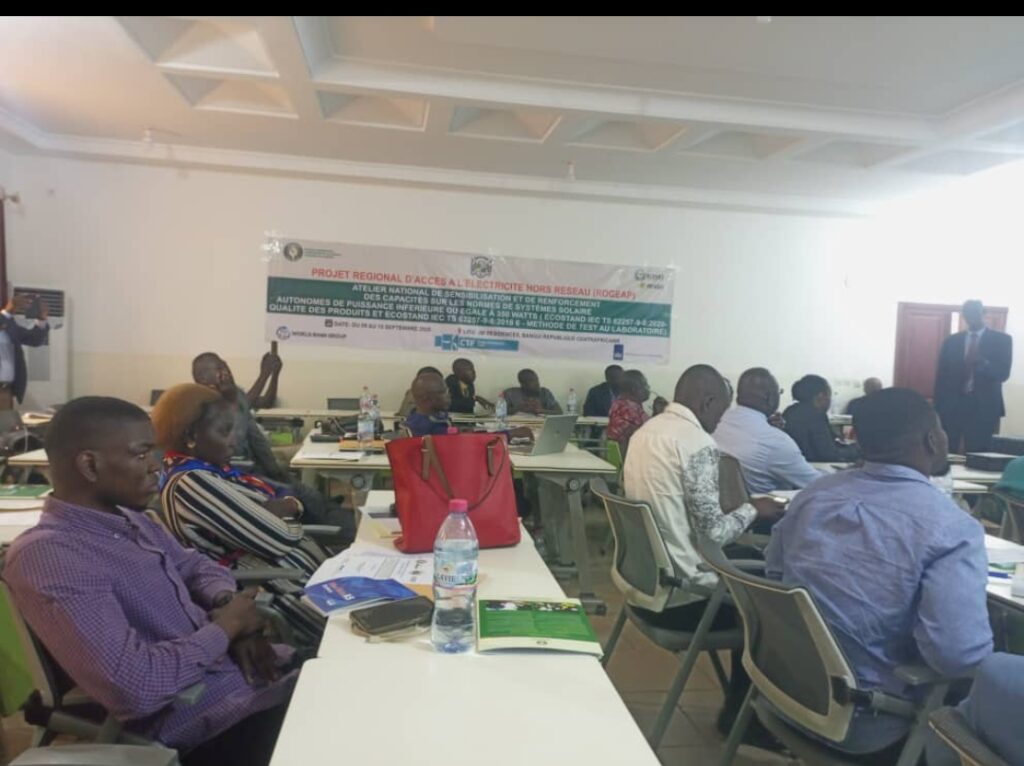
One of the project’s most tangible achievements is of a regulatory nature: in July 2023, the Council of Ministers of the ‘ECOWAS’ adopted a harmonised regional quality standard for off-grid solar kits (the ECOSTAND standard, aligned with the international IEC standards for systems up to 350 Wp). This standard was then rolled out country by country through a series of national awareness-raising workshops, organised between 2023 and 2025 — for example, in Bangui (Central African Republic) in September 2025 and in Bissau (Guinea-Bissau) in October 2025.
At the same time, work is under way to harmonise customs codes and introduce a common external tariff applicable to off-grid solar photovoltaic products, with a view to reducing price distortions between countries.
The financial aspect: modest but genuine beginnings
The second main pillar of the project — access to finance for solar energy companies via a credit facility hosted by the BOAD — has progressed more slowly. By the end of 2023, five financial institutions had actually been involved in the scheme:
COFINA and Mansa Bank in Côte d’Ivoire
Kafo Jiginew and the BNDA in Mali
BIIC in Benin
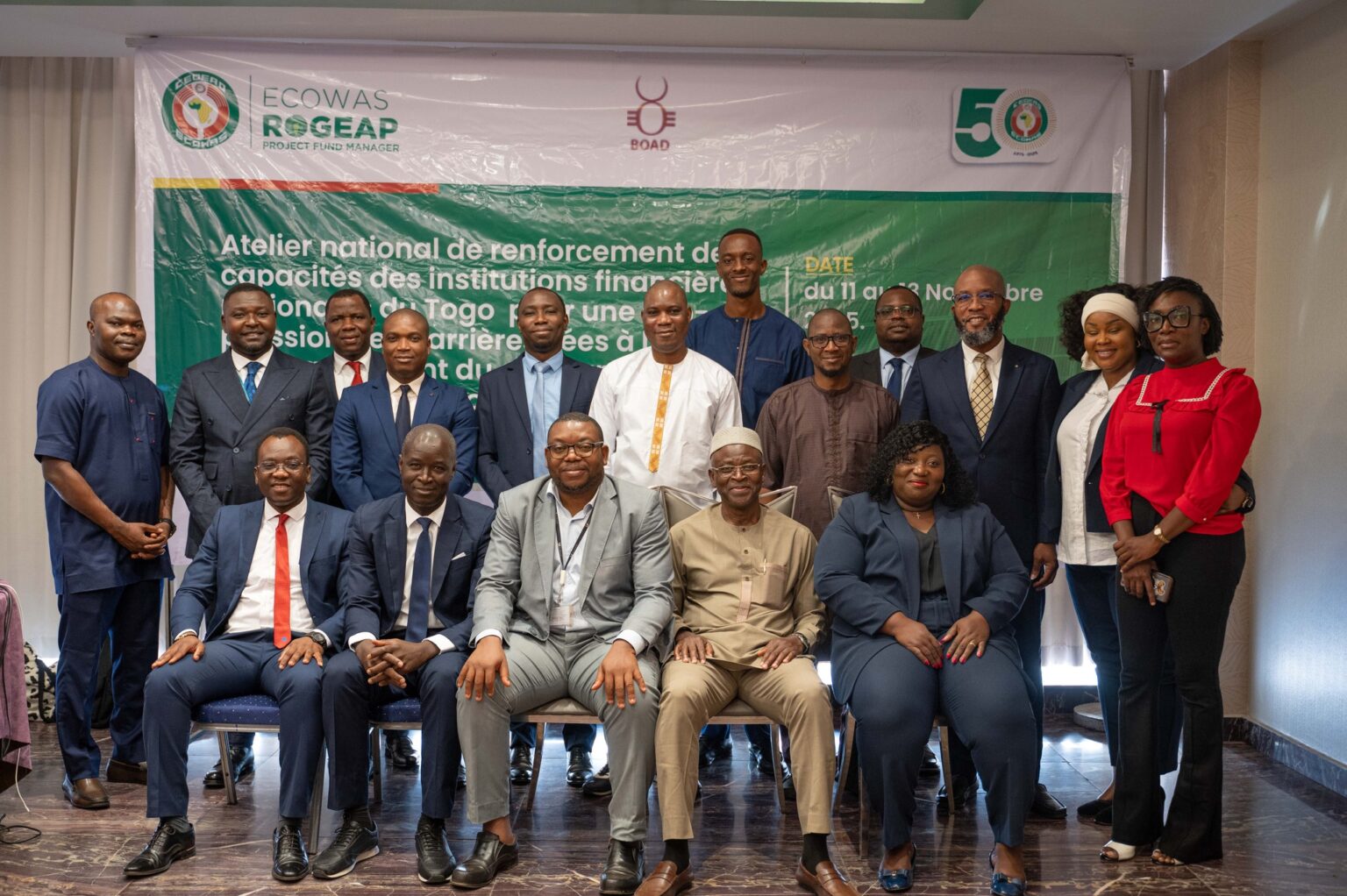
Of the $140 million earmarked for this credit line, approximately $39 million had been disbursed by that date. In 2025, efforts continued with capacity-building initiatives for Togolese banks (November 2025), designed to enable them to make better use of this refinancing mechanism.
Training for solar entrepreneurs and SMEs
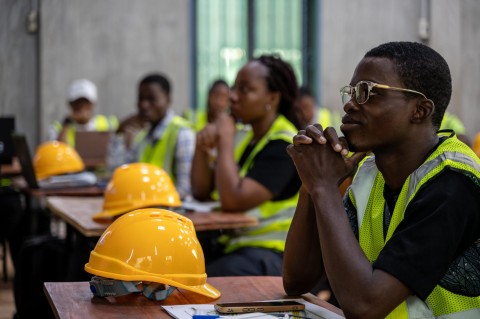
The project has established a structured support mechanism for small businesses in the off-grid solar sector:
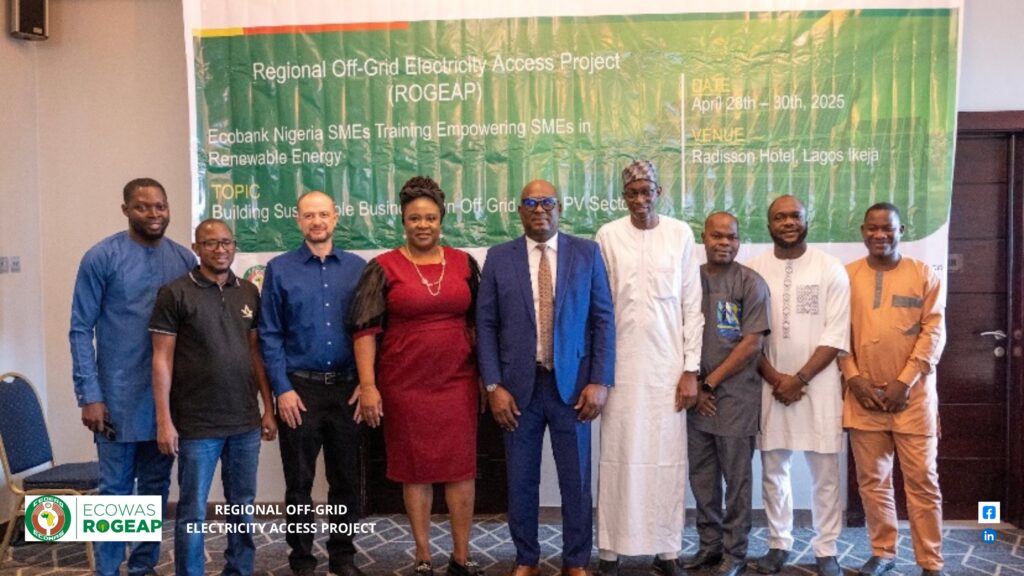
March 2025, Abuja (Nigeria): in partnership with Ecobank Nigeria and with the support of the World Bank, more than 50 entrepreneurs received training at a capacity-building workshop.
ASPIRE ‘ROGEAP’ Programme (launched in October 2025): a certification scheme enabling technicians to become regionally certified solar installers.
A regional business plan competition was organised to provide financial support to the sector’s most innovative SMEs, with grants that do not need to be repaid.
A World Bank monitoring report mentions a total of more than 500 businesses trained under the entrepreneurship component, without specifying the breakdown by country
The pilot electrification of public infrastructure
The project includes a pilot component focused on the electrification of schools and health centres in two selected countries: Benin and Nigeria. Specifically:
Site assessments and the drafting of energy service contracts were carried out for these two pilot countries.
A tender launched in May 2026 by the Nigerian Rural Electrification Agency covers the installation of solar systems for 25 primary health centres and 7 state schools, located in Niger State (Nigeria), the Federal Capital Territory (Abuja) and Nasarawa State.
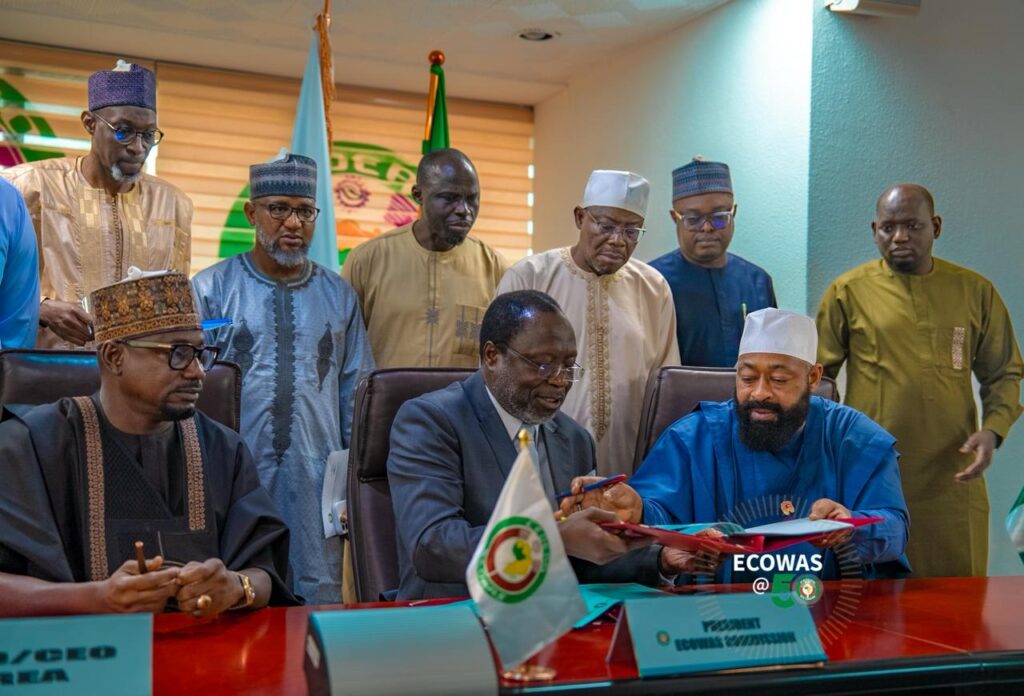
In February 2026, the French Development Agency (ECOWAS) formalised a partnership with the same agency to improve access to off-grid energy in the State of Niger.
This reflects the very nature of the project: it is, first and foremost, a market-building initiative (standards, funding, training), the effects of which on the actual electrification of communities are only measurable some time after the preparatory activities have taken place. The project’s scheduled completion at the end of June 2026 is expected to result in a completion report which will finally enable the final impact to be quantified precisely.