
About the webROGEAP

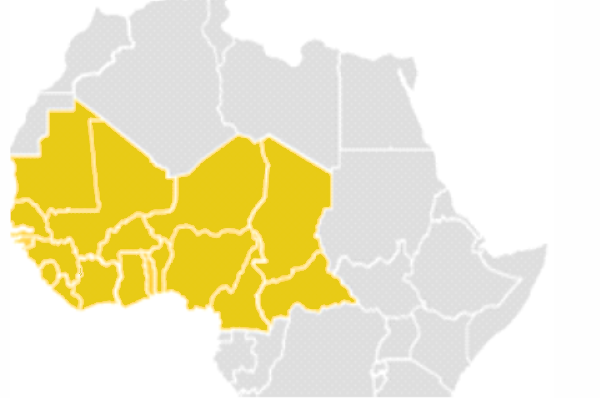
GEOGRAPHICAL COVERAGE OF THE PROJECT
ROGEAP covers the 12 countries of theECOWASand seven other countries: Benin, Cape Verde, Côte d’Ivoire, The Gambia, Ghana, Guinea, Guinea-Bissau, Liberia, Nigeria, Senegal, Sierra Leone, Togo, Burkina Faso, Cameroon, Mali, Mauritania, Niger, the Central African Republic and Chad.
Of the 406 million people living in West Africa and the Sahel region, an estimated 208 million have no access to electricity, around 70 per cent of whom live in rural areas. Given the strategic importance of energy for achieving sustainable development and poverty reduction in the ECOWAS (ECOWAS) and the Sahel region, the ECOWAS Centre for Renewable Energy and Energy Efficiency (ECREEE) has launched the Regional Off-Grid Electrification Project (ROGEAPS), in partnership with the West African Development Bank (BOAD), with the aim of increasing access to electricity for households, businesses and public institutions using modern, off-grid solar technology through a harmonised regional approach.
PROJECT BUDGET
The total budget for ROGEAPS is USD 338.70 million.
The project is financed by the World Bank, with co-financing from the Clean Technology Fund (CTF) and the Directorate-General for International Cooperation (DGIS) of the Government of the Netherlands.
PROJECT OBJECTIVE
To improve access to electricity, the project aims to:
(a) to identify policy barriers affecting the growth of the independent solar photovoltaic market, to raise awareness amongst government policymakers of the benefits of removing these policy barriers, and to provide targeted support to remove barriers in challenging markets;
(b) To help countries adopt common external tariffs (CETs) to facilitate cross-border trade in stand-alone solar products;
(c) To develop a regional quality assurance framework to facilitate the supply of eligible off-grid solar products in the 19 countries covered by the project;
(d) To strengthen human capital and boost entrepreneurial activity by providing training to develop the appropriate and necessary skills through a structured mechanism for the development of entrepreneurship, which will ensure a reliable service for beneficiaries and create local employment opportunities;
(e) To provide access to finance for solar energy companies and for those benefiting from this new sector of activity;
(e) (f) to reduce the risk associated with the promotion of new technologies and models.
In addition, the project will need to support market research that highlights the opportunities and challenges presented by off-grid markets in the project countries. This research will provide essential data to help manufacturers, distributors and retailers make informed business decisions.
The first key area to be explored in the project’s target countries includes import tariffs, duties and other tax regimes on off-grid lighting products that affect the creation and sustainability of broader regional off-grid markets.
The second area concerns the regional quality assurance framework designed to facilitate the supply of eligible stand-alone solar products.
To stimulate regional demand for off-grid solar systems, the project will provide information to users
To maximise the full potential of the many benefits offered by high-quality off-grid solar products through consumer awareness campaigns in the 19 countries. The aim is to work towards changing consumer behaviour with regard to off-grid products, their availability, affordability and benefits, and ultimately to increase their uptake amongst the population.
PROJECT STRUCTURE
THE PROJECT HAS TWO COMPONENTS: Component I and Component II
Component I : focused on developing a regional market by creating a favourable business environment and providing technical and financial support to strengthen the technical and financial capacities of entrepreneurs in the solar sector across the 19 countries involved in the project. A CEDEAO The implementing agency for Component 1. It is divided into four sub-components, including:
- Sub-component 1a: a supportive environment;
- Sub-component 1b: technical support for entrepreneurship;
- Sub-component 1c: financial support for entrepreneurship;
- Sub-component 1d: removal of identified barriers to difficult markets.
- Sub-component 2a: Credit facility for independent solar system companies.
- Sub-component 2b: Contingency Grant Scheme for Businesses.